
If you’ve read any of my previous blog posts or seen my TikTok videos, you have probably heard me talk about building an email list. I wasn’t a big proponent of building an email list when I first heard about it many years ago. I thought it would take too long and would detract from making direct product offers that would generate income.
However, over time, I’ve come to realize its value. This week, I’d like to discuss how to build an email list, so you can start doing this if you haven’t already. And, I’ve made a How to Build an Email List quick start checklist- click here to access it!
Here are the topics I’ll cover in this post:
- Why an email list is so valuable
- What is a squeeze page and how it helps you build the list
- How to get people to subscribe (what to offer)
- What to do after someone subscribes
The great part about an email list is that it doesn’t matter what product or service you are promoting and selling. The email list works universally for freelancers, affiliate marketers, TikTok affiliates, and individuals selling products online as a side hustle or full-time business. The email list can benefit everyone. And dare I say that it is one of the most powerful assets you can build.
Let’s dive in.
Why is an email list so valuable?
Unlike social media followers who can disappear with the next algorithm change, an email list is something you own. It’s your direct line to people who have already shown interest in what you offer, whether that’s services, products, or knowledge. No one can take the list away from you. You can send an email whenever you want, whether daily, weekly, or monthly, and include whatever information you want.
Here is why email is such a game-changer:
- It works for any business model.
- Freelancers can use email to stay top-of-mind with prospects.
- Online sellers can send special promotions or product launches to drive repeat sales.
- Affiliate marketers and side hustlers can build a loyal audience, even if they work only a few hours a week.
- Email is personal. Unlike a social media post that gets lost in the scroll, an email lands directly in your subscriber’s inbox, giving you a one-on-one chance to build trust. You can use email to send information about your products and brand to help people get to know, like, and trust you.
- It’s free. Nothing beats being able to follow up with your core audience at no cost.
- You own it. Social media apps change over time, which can impact your ability to grow an audience and promote products. I’ve had social media accounts banned because of an app’s policy change. An account that had worked great for many years, all of a sudden, had content that violates a new policy, resulting in a ban and permanent loss of access to it. In my case, I lost all my followers, content, and intellectual property overnight. I never received a clear answer from the platform about what the violation was, nor was I given any warning about it beforehand. I had no control over this, while the platform had complete control. And it is not just me, I’ve heard this happening to other online entrepreneurs. But with email lists, you are not at the mercy of a social platform. You control it, and this is tremendously valuable by itself.
- People need multiple touchpoints before they buy. Studies show that a potential customer needs to see an offer several times before making a purchase. If they click your ad or read your blog once and never return, that opportunity is gone. With email, you can keep showing up until they’re ready to act. It’s simply a great way to follow up with people.
- Ability to generate passive income. A business that builds an email list of leads and customers can generate passive income by sending automated emails that promote products, share valuable content, and drive repeat sales—even while they sleep.
Put simply: capturing emails means you don’t lose touch with people who are already interested. That’s the difference between someone who disappears forever and someone who eventually becomes a customer. Plus, you have a controlled environment to facilitate follow-ups with your core audience.
What is a squeeze page?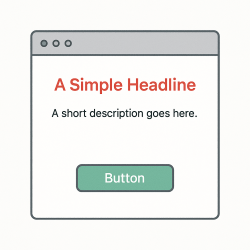
A squeeze page is a simple, dedicated web page, also known as a landing page, that has one primary goal: to collect email addresses.
Unlike a homepage or blog that has lots of links and distractions, a squeeze page is laser-focused. It offers visitors two choices: either enter their email to receive something valuable, or leave.
The core elements of a high-converting squeeze page:
- A powerful headline that grabs attention and clearly states the benefit.
- A short description that explains what the visitor will get if they opt in.
- An opt-in form (usually just name and email).
- A call-to-action button with clear, benefit-driven text (“Send Me the Free Guide” works better than “Submit”).
- (Optional but helpful) A quick reassurance, like “We respect your privacy. No spam ever.”
The name “squeeze page” comes from its purpose: it “squeezes” a piece of contact information out of passing traffic and converts that visitor into a lead you can follow up with.
My first squeeze page was pretty bad. I asked my mentor to review it. He said, “Derek, you over-engineered this”. And he was being nice! I had tons of text discussing various topics to highlight every possible benefit of the training videos I was offering. It was too much, like reading an essay! It simply had too much content and too many distractions. I learned that the squeeze page is super simple. The page itself is entirely white and features only a few key elements: a headline, a description of what someone receives, and an opt-in button with a call-to-action. And you know what, I love simplicity! Therefore, avoid overcomplicating this step in the process!
How to get people to subscribe (what to offer)?
To get someone to share their email, you have to give them something they truly want. Marketers call this a lead magnet. I liken it to offering a free product.
You don’t need to make your lead magnet complicated. It simply needs to solve a problem or provide value immediately. A quick win. For example:
- Freelancers: “5 Mistakes to Avoid When Hiring a [Your Skill]” checklist.
- Online sellers: A discount code, free sample, or buyer’s guide.
- Affiliate Marketers & Side hustlers: A quick-start PDF, mini-course, or training video explaining how to reach their first milestone.
Think of your lead magnet as the handshake that starts the relationship- it builds trust by delivering value first.
I’ve seen businesses use a wide range of lead magnets, including training videos, mini-courses, webinars, checklists, discount codes, guides, e-books, and brochures. If you’d like to check out my lead magnet, click here (if you’ve already received emails from me, you may have seen this one).
What Happens After Someone Opts In?
The magic of a squeeze page isn’t just the signup. It’s what happens next:
- Instant delivery of the lead magnet – The promised eBook, video, or discount code is sent straight to their inbox.
- Welcome email – A friendly introduction sets expectations and makes subscribers feel connected to you.
- Automated follow-up email sequence – A series of automated emails that provide more value: tips, resources, personal stories, or bonus content. This builds a relationship.
- Broadcast emails – One-time emails with news, updates, stories, or something new you want to share with your audience.
- Product or service offers – Once trust is built, you can introduce paid offers. This could mean promoting your freelance services, selling your products, or sharing affiliate offers.
Many marketers use creative strategies in their follow-up emails:
- Explaining benefits and urgency (“Here’s why this will help you right now”).
- Sweetening the deal with bonuses.
- Offering payment plans to make purchases easier.
- Presenting a lower-cost product as a first step.
The key is consistency. Your subscribers get multiple touchpoints with you, and that repeated exposure often turns leads into customers.
Final thoughts
Building an email list isn’t just about collecting names- it’s about creating a system that works for you in the background.
For freelancers, it means never running out of prospects. Online sellers benefit from a steady stream of repeat customers. Affiliate marketers build a long-term asset that allows them to continue educating their audience and sharing affiliate links.
And it all starts with a simple squeeze page and a lead magnet!
If all of this still feels daunting, I’ve put together a “5-Step How to Build an Email List” checklist to make the process easier to digest. Click here to get instant access to it.
Lastly, I would love to hear from you! Here are some general questions I want to ask and get your feedback on:
-
What’s been your biggest challenge when it comes to building an email list: getting people to sign up, creating a lead magnet, or knowing what to send afterward?
-
If you have already built an email list, what strategies do you use to keep your subscribers engaged?
-
If you haven’t started yet, what’s the one thing holding you back from launching your first list?